Summary:
Most material headaches don’t start on the job site. They start when someone picked the wrong supplier — wrong product, wrong grade, wrong quantity, no one at the counter who could tell the difference. In Nassau County, where freeze-thaw cycles punish bad installs every winter and building codes aren’t optional, those mistakes are expensive.
This guide is for anyone who wants to get it right the first time. We’ll cover what separates a reliable building materials supplier from a frustrating one, how to source smarter whether you’re a homeowner or a working contractor, and what local conditions in Nassau County actually demand from the construction and building materials you use.
How to Choose a Building Construction Supplier in Nassau County
The most important thing we can offer isn’t the lowest price on a pallet of pavers — it’s the knowledge to help you avoid a costly mistake before you make it. That means staff who understand base preparation, drainage requirements, material compatibility, and local code considerations. Not someone who points you to an aisle.
In Nassau County specifically, you’re dealing with a climate that runs through 20 to 30 freeze-thaw cycles every winter. That puts real stress on any hardscape installation, and it means the margin for error on base prep and material selection is thin. A supplier who understands that context is worth more than one who simply has inventory.
Reliability matters just as much. Contractors running jobs across Elmont, Lynbrook, or the Five Towns can’t afford a supplier who runs out of stock mid-project or gives inconsistent quotes. We maintain deep inventory and experienced counter staff for exactly this reason — and the difference shows up in your project timeline.
Discount Building Supplies: Where Value and Quality Actually Meet
There’s a common assumption that specialty supply yards charge more than big-box stores. In practice, that’s often backwards. When you factor in staff expertise, product quality, and the cost of fixing a bad decision, the “savings” from a cheaper source tend to disappear fast.
The real question isn’t where the sticker price is lowest — it’s where the total cost of the project comes out right. A supplier who helps you calculate the correct quantity, recommends the right base material, and flags a drainage issue before you pour means fewer callbacks, fewer do-overs, and fewer wasted materials. That’s the actual discount.
In Nassau County, where post-WWII homes in communities like Valley Stream, Malverne, and Hewlett are hitting the end of their original driveway and walkway lifespan, the replacement market is active and ongoing. Homeowners doing this for the first time especially benefit from working with a supplier who sells them only what they need — not everything they could possibly buy. That’s the kind of counter experience that builds long-term relationships, not just single transactions.
Surplus building materials occasionally come through our yard — overstock or discontinued product lines at reduced pricing. If you’re flexible on color or style and your project timeline allows it, asking about available surplus inventory can stretch a budget meaningfully. The key is knowing what you’re looking at — which again comes back to working with staff who can tell you whether a surplus product is actually appropriate for your application or just cheap.
At the end of the day, discount building supplies aren’t about finding the lowest number on a price sheet. They’re about making smart sourcing decisions — the kind that don’t come back to haunt you in the spring thaw.
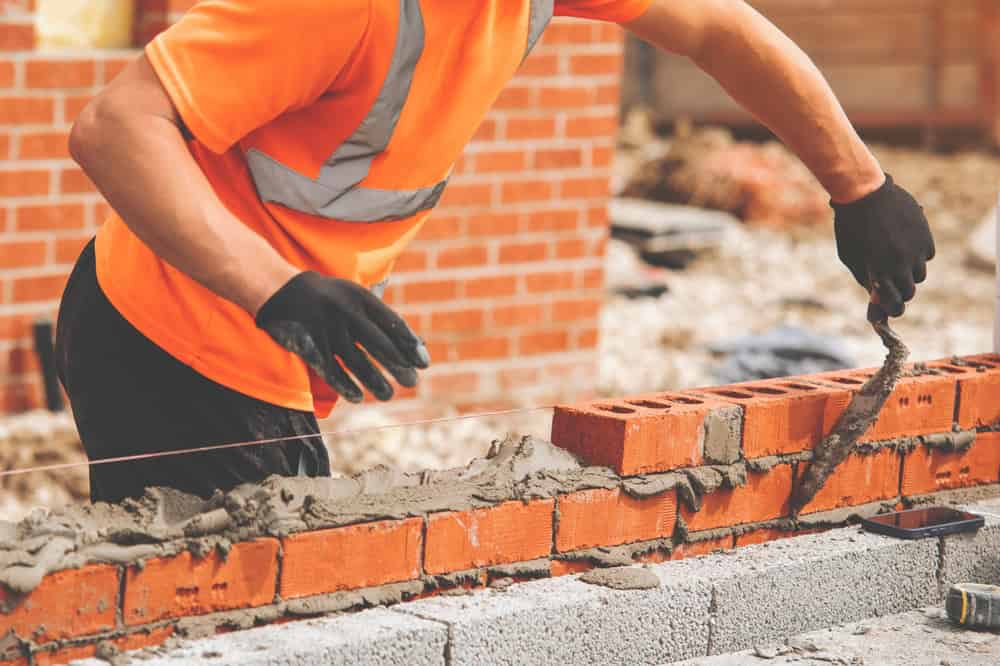
One of the most persistent misconceptions in this space is that wholesale building materials purchasing is only available to licensed contractors. It isn’t. At our supply yard, any homeowner can walk in, buy contractor-grade materials in the quantities they need, and get the same product a professional would use. No membership, no license check.
What wholesale sourcing actually means — for both contractors and homeowners — is buying from a supplier with the inventory depth to fill large orders reliably, the product knowledge to spec materials correctly, and the operational capacity to handle volume without delays. For contractors managing multiple jobs across Nassau County simultaneously, that reliability is non-negotiable. Running out of Cambridge Pavers mid-install because your supplier was understocked isn’t just inconvenient — it’s a scheduling and billing problem.
For homeowners tackling larger projects like full driveway replacements or backyard patio installations, buying from our supply yard rather than a retail chain gives you access to the same professional-grade products at pricing that reflects actual supply relationships, not retail markup. The key is knowing your quantities before you buy. Our experienced counter staff can help you calculate square footage, account for waste, and avoid the two most common mistakes: ordering too little and having to wait for a second delivery, or ordering too much and eating the cost of unused material.
Seasonal planning is another wholesale advantage that contractors already understand but homeowners often overlook. Spring is the peak season for paver and hardscape projects across Nassau County — demand surges, contractors book up, and supply yards get busy. If you’re planning a project for April or May, sourcing materials in late winter gives you better availability, more flexibility on product selection, and sometimes better pricing leverage. Thinking ahead by even six to eight weeks can make a meaningful difference in how smoothly your project runs.
Gravel Supplier and Aggregate Sourcing for Nassau County Projects
Gravel doesn’t get talked about much, but it’s the foundation — literally — of almost every hardscape project. Whether you’re installing a paver driveway, a patio, a retaining wall, or a drainage swale, the aggregate base underneath determines how well the finished surface holds up over time. In Nassau County’s freeze-thaw climate, a poorly prepared base is the most common reason pavers shift, crack, or settle unevenly after the first winter.
We’re not just someone with a pile of stone in a yard. We can tell you what type and grade of aggregate your specific application requires, how deep the base needs to be for your frost depth, and how to layer and compact it correctly. That technical guidance is what separates a supply yard from a gravel lot.
Ready Mix Concrete Supply and Delivery: How to Order It Right
Ready mix concrete and premix concrete delivery are not the same thing, and using the wrong one for your project creates problems that are hard to undo. Ready mix concrete is batched at a plant and delivered wet in a mixer truck — it’s the right choice for large pours where volume, timing, and consistency matter. Premix concrete comes as pre-proportioned dry mix in bags that you combine with water on-site, which works well for smaller repairs and targeted DIY applications.
For most residential driveway and patio projects in Nassau County, ready mix concrete supply is the practical route when you’re covering significant square footage. The advantage is consistency — every cubic yard comes out of the truck with the same mix design, which matters for structural integrity and surface finish. The tradeoff is that you need to be ready when the truck arrives. Ready mix doesn’t wait. Your forms need to be set, your crew needs to be staged, and your finishing plan needs to be in place before the pour starts.
When you order ready mix concrete, the key variables are mix design (PSI strength rating), slump (workability), and volume. For a standard residential driveway in Nassau County, a 4,000 PSI mix is a common specification — strong enough to handle vehicle loads and freeze-thaw cycling without cracking prematurely. We can walk you through the right spec for your application rather than just filling the order as submitted. If your supplier can’t have that conversation, that’s a signal worth paying attention to.
Premix concrete delivery is a different logistical equation — smaller quantities, more flexibility, but more labor-intensive on your end. For patching, setting posts, or small repair work, it’s often the more practical option. The important thing is matching the product to the scope of the job, not defaulting to one or the other out of habit.
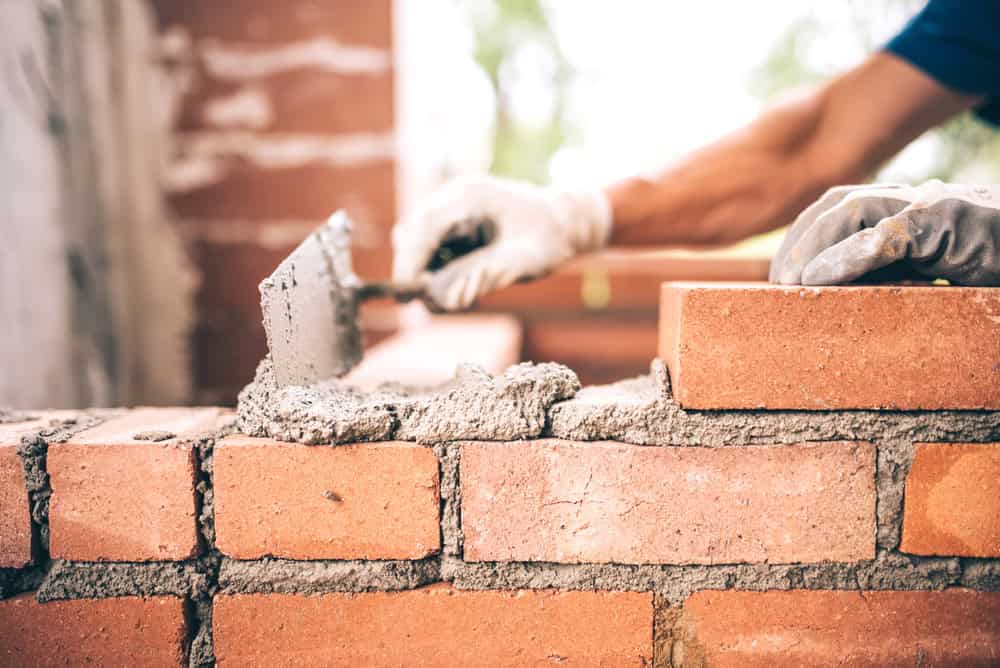
Pea gravel plays a specific and important role in hardscape and drainage applications that often gets overlooked in the broader conversation about home building supplies. It’s not just a decorative ground cover — it’s a functional drainage component used in weepholes behind retaining walls, as a permeable fill layer beneath paver systems, and as a clean aggregate in French drain installations. In Nassau County, where stormwater management is a genuine concern in lower-lying areas near the South Shore, getting drainage right matters.
We carry pea gravel alongside the full range of aggregates needed for base preparation and drainage work. The distinction between pea gravel and coarser base aggregate is important: pea gravel’s smooth, rounded shape allows water to move through it freely, making it the right choice for drainage applications. Crushed stone and compacted gravel, by contrast, lock together under compaction and form the stable structural base that pavers and concrete slabs need. Using the wrong material in the wrong layer is a common mistake that leads to drainage failures and surface instability.
For homeowners in communities like Inwood, Lawrence, or Woodmere — areas that sit close to tidal water and see standing water issues after heavy rain — understanding how aggregate layers interact with drainage design is genuinely useful. A paver system installed with proper permeable base layers and pea gravel-filled weepholes handles stormwater differently than a solid concrete slab, which simply sheds water onto adjacent surfaces. That distinction matters both for your property and, in some cases, for local stormwater compliance.
For landscaping applications, pea gravel also works well as a low-maintenance ground cover in garden beds, along pathways, and around plantings where you want good drainage without constant upkeep. It’s an honest, durable material that does what it’s supposed to do without requiring much from you after installation. We stock it consistently and can help you estimate quantities based on your coverage area and depth requirements.
Paver Installation Guide and Drainage Solutions for Nassau County
A paver installation in Nassau County requires more than just setting stones in sand. The freeze-thaw cycles that define our winters demand proper base preparation, correct drainage design, and material selection that accounts for the specific stresses your hardscape will face.
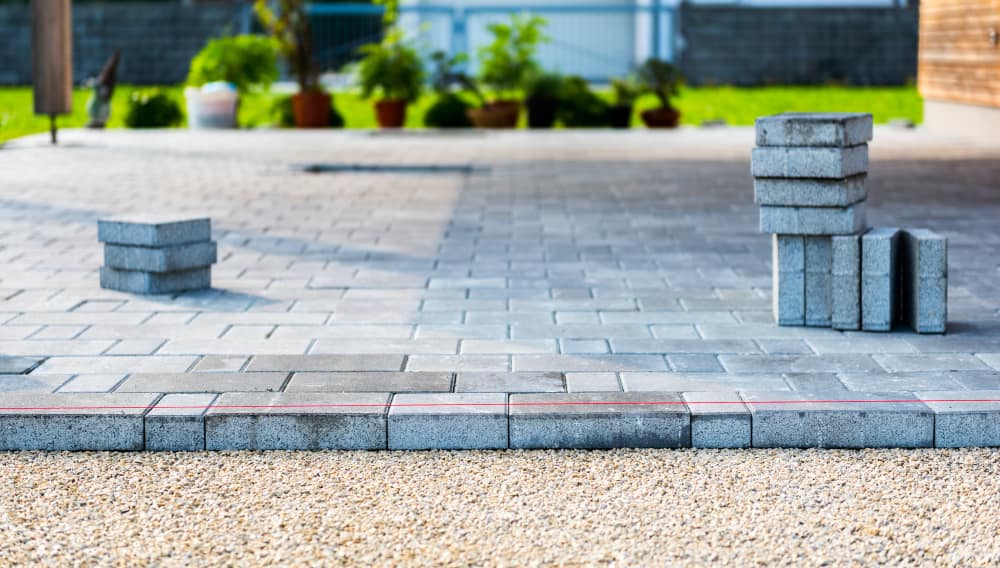
The foundation starts with aggregate. We recommend a compacted base of crushed stone — typically 4 to 6 inches depending on soil conditions and expected load. On top of that goes a 1-inch layer of pea gravel or sand as a leveling bed. The pavers themselves sit on this prepared surface, and the joints between them get filled with polymeric sand that hardens when wet, locking the pavers together and preventing weed growth.
Drainage is where most installations either succeed or fail. Water needs to move through the paver system and away from the base. That means proper slope (typically 1 to 2 percent grade), permeable base materials, and often a perforated drain line beneath the gravel if you’re in a low spot or dealing with poor native soil drainage. In Nassau County communities near the water table, this isn’t optional — it’s the difference between a paver system that lasts 20 years and one that settles and cracks within five.
We can help you design the drainage solution that fits your specific property and budget. Whether that’s a simple sloped installation with permeable base, or a more complex system with French drains and gravel-filled weepholes, the key is getting it right before the pavers go down. Once they’re installed, fixing drainage problems is expensive and disruptive.