
Summary:
Understanding Paver Materials: What Actually Works in Nassau County
Not all pavers are created equal, especially when you’re dealing with Nassau County’s weather extremes. You need materials that can handle everything from August humidity to January ice storms.
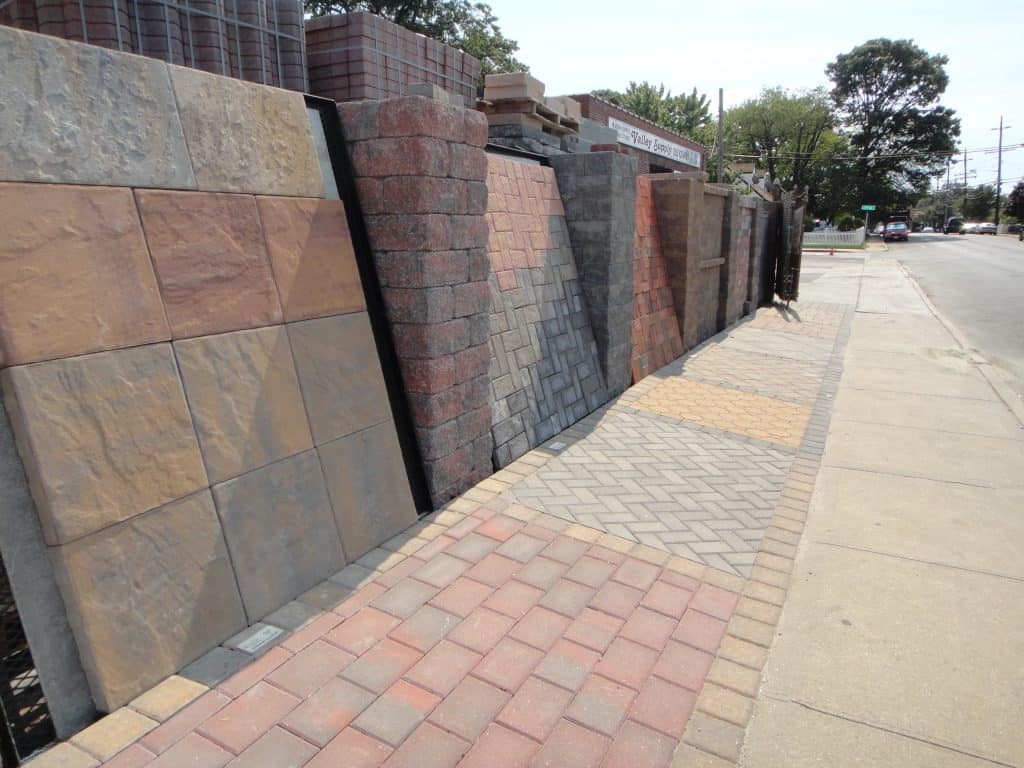
The three main categories you’ll encounter are concrete pavers, natural stone, and specialty options like Cambridge ArmorTec systems. Each has distinct advantages depending on your project scope and budget.
What matters most is understanding how these materials perform over time in our specific climate conditions, not just how they look in a showroom display.
Cambridge ArmorTec Pavers: The Local Gold Standard
Cambridge pavers dominate Nassau County installations for good reason. Their ArmorTec manufacturing process creates materials specifically designed for Northeast weather conditions.
The process involves two distinct steps that set these pavers apart. First, a base layer combines sand, gravel, cement, and dyes for structural integrity. Then, a second layer adds high-quality ArmorTec coloring and super-fine cement mixture for surface durability.
This dual-layer approach means you get pavers that resist fading from UV exposure while maintaining structural stability through freeze-thaw cycles. The color penetrates deeper than surface treatments, so normal wear doesn’t expose underlying material.
Cambridge offers collections ranging from modern South Beach styles with vibrant colors like Pink Sands and Sea Green, to classic Renaissance collections that mimic aged European stonework. Each collection comes in multiple color options, giving you design flexibility without sacrificing performance.
The key advantage is longevity. While cheaper alternatives might look acceptable initially, Cambridge pavers maintain their appearance and structural integrity for decades with minimal maintenance.
Concrete vs Natural Stone: The Real Cost Comparison
Concrete pavers offer the most budget-friendly entry point, typically running $12-15 per square foot installed. They’re manufactured to consistent dimensions, making installation more predictable and often faster.
Modern concrete pavers have come a long way from basic gray rectangles. Manufacturing flexibility allows for hundreds of color combinations and textures that closely mimic natural stone at a fraction of the cost.
Natural stone pavers, including bluestone, flagstone, and limestone, cost significantly more – often $20-40 per square foot installed. However, they offer unique character that manufactured products can’t replicate.
The trade-off isn’t just initial cost. Natural stone requires more skilled installation due to size variations and thickness differences. This increases labor costs and project timeline. However, properly installed natural stone can last generations with minimal maintenance.
For Nassau County conditions, both options work well when properly installed with adequate base preparation. Your choice often comes down to budget, desired appearance, and long-term maintenance preferences.
Consider your property’s architectural style too. A modern home might benefit from clean-lined concrete pavers, while a traditional colonial could shine with natural stone character.
Installation Considerations That Actually Matter
Installation quality determines whether your pavers look great for decades or start failing within a few years. Nassau County’s soil conditions and drainage challenges make proper preparation non-negotiable.
The most critical factor is base preparation. A properly compacted 4-inch aggregate base prevents frost heave and provides stable support for vehicle traffic. Skipping this step or using inadequate materials leads to settling, cracking, and premature failure.
Drainage design matters more here than in drier climates. Poor water management causes base erosion, joint sand washout, and creates ice hazards during winter months.
Why Base Preparation Determines Long-Term Success
Your paver installation is only as good as what’s underneath. In Nassau County, where we deal with significant freeze-thaw cycles, proper base preparation isn’t optional – it’s essential for long-term performance.
A professional installation starts with excavation to the proper depth, typically 8-10 inches for pedestrian areas and 12-14 inches for driveways. This allows for a compacted aggregate base, sand bedding layer, and the pavers themselves.
The aggregate base must be properly graded material, not random gravel or crushed concrete. Angular aggregate locks together when compacted, creating a stable platform that resists movement. Round gravel shifts under load and doesn’t provide adequate support.
Compaction happens in lifts – typically 2-inch layers compacted with proper equipment. Hand tamping or inadequate compaction equipment leads to settling over time. This is why professional installation often outperforms DIY attempts.
Proper edge restraints prevent lateral movement that causes pavers to spread apart. These aren’t visible in the finished project but are crucial for maintaining the installation’s integrity over decades of use.
Joint sand locks individual pavers together while allowing slight movement that prevents cracking. Polymeric sand offers superior performance compared to regular sand, especially in areas with heavy rainfall or irrigation.
Drainage Solutions for Nassau County Properties
Water management can make or break your paver installation. Nassau County’s clay soils and seasonal precipitation patterns create specific challenges that require thoughtful drainage design.
Surface drainage directs water away from the paved area through proper grading. A minimum 2% slope prevents standing water while avoiding excessive runoff that could cause erosion. This seems simple but requires careful attention during installation.
Subsurface drainage becomes critical in areas with poor soil drainage or high water tables. French drains or drainage pipes beneath the aggregate base prevent water accumulation that leads to frost heave and base failure.
Permeable pavers offer an alternative approach for certain applications. These allow water to infiltrate through the paver surface into a specially designed base system. This reduces runoff while recharging groundwater, though they require specific maintenance to prevent clogging.
Consider your property’s overall drainage patterns too. Directing paver runoff into existing problem areas only creates bigger issues. Sometimes the paver project needs to coordinate with broader landscape drainage improvements.
Professional installers understand these relationships and can recommend solutions that work with your property’s specific conditions rather than creating new problems.
Making the Right Choice for Your Nassau County Project
Choosing pavers isn’t just about picking colors from a catalog. Success depends on matching materials and installation methods to your specific needs, budget, and Nassau County’s demanding conditions.
Start with a realistic budget that includes proper installation, not just material costs. Quality installation typically costs more upfront but prevents expensive repairs and replacements down the road.
Consider your long-term plans too. If you’re planning to stay in your home for decades, investing in premium materials and installation makes sense. If you’re preparing for a near-term sale, focus on options that provide maximum curb appeal for your investment.
For expert guidance on materials and installation in Nassau County, Queens, Nassau Shores, Cambridge, and Barnum Island, we at Valley Supply Corp have been helping homeowners and contractors make the right choices since 1956.