Summary:
Understanding Cambridge Paver Texture Collections
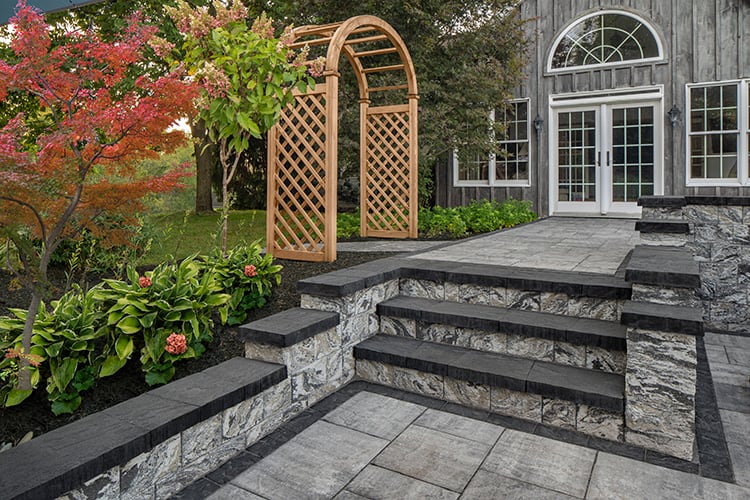
Cambridge offers distinct texture families, and knowing the difference saves you from buyer’s remorse. The Sherwood Collection houses options ranging from deeply textured to completely smooth. The Ledgestone series within Sherwood gives you that bluestone-like cleft—the kind of surface that looks like natural stone but performs better.
Then there’s the smooth variations. Same durability, completely different aesthetic. Think clean lines, contemporary appeal, modern builds where texture would compete with architectural details.
The texture isn’t just about looks. It affects how the paver feels underfoot, how it handles water drainage, and whether it shows wear patterns over time. Queens weather tests everything, and texture plays a role in how pavers age.
Ledgestone texture characteristics and best applications
Ledgestone hit the market in 2006 and became Cambridge’s bestseller for a reason. The texture mimics natural bluestone with prominent clefts across the surface. Not smooth, not rough—somewhere in between with enough character to hide minor imperfections and enough refinement to look intentional.
The 3-piece design kit combines three different sizes: large rectangles, medium squares, and smaller rectangles. You install them in a random pattern, which means no repetitive look and more visual interest. The textured surface works especially well for driveways because it provides slight traction without being uncomfortable to walk on barefoot.
This texture complements Tudor architecture beautifully. Tudor homes in Forest Hills Gardens, Douglaston, and parts of Nassau County feature brick, stone, and stucco with natural material aesthetics. Ledgestone’s cleft surface echoes that organic quality without trying too hard. The texture catches light differently throughout the day, creating subtle shadow play that flat surfaces can’t match.
For modern builds, Ledgestone still works if you’re going for a transitional style—something that bridges contemporary lines with natural material warmth. It’s less successful with ultra-modern minimalist designs where smooth surfaces typically perform better aesthetically.
The texture also affects maintenance. The clefts hide minor staining better than smooth surfaces. A bit of dirt or a small oil spot doesn’t stand out as much. You’re not constantly pressure-washing to maintain appearance.
One consideration: the texture means you can’t use certain furniture as easily on Ledgestone patios. Chairs with narrow legs might wobble slightly on the uneven surface. For driveways and walkways, this isn’t an issue. For outdoor dining areas, you might want to reconsider or choose smooth pavers for that specific zone.
Smooth Cambridge paver finishes for contemporary homes
Smooth Cambridge pavers within the Sherwood Collection offer the same ArmorTec durability with a completely different aesthetic. The surface is sleek, clean, and modern—ideal for contemporary builds, minimalist designs, or homeowners who prefer refined simplicity over rustic texture.
The smooth finish works particularly well for modern architecture common in newer Queens developments and renovated Nassau County properties. If your home features clean horizontal lines, large windows, and minimal ornamentation, smooth pavers extend that design language to your hardscape. They don’t compete with the architecture; they complement it.
Functionally, smooth pavers provide an easier surface for outdoor furniture. Dining sets, lounge chairs, and tables sit level without wobbling. If you’re creating an outdoor living space where you’ll spend time relaxing or entertaining, smooth pavers offer more versatility for furniture placement.
The trade-off: smooth surfaces show staining more readily. An oil drip from a car becomes more visible. Dirt and debris stand out against the clean finish. This doesn’t mean smooth pavers are high-maintenance—it just means you’ll notice imperfections faster and might clean more frequently.
Smooth pavers also handle snow removal differently. Snow shovels glide across the surface more easily, and ice melts off smooth pavers slightly faster than textured ones. In Queens and Nassau County where winter maintenance matters, this can be a practical advantage.
Color appears more vibrant on smooth surfaces. The ArmorTec technology maintains color regardless of texture, but smooth pavers reflect light more uniformly, making colors look richer and more saturated. If you’ve chosen a specific color to match your home’s exterior, smooth pavers will display that color more accurately.
For Tudor homes, smooth pavers create an interesting contrast. They modernize the overall look without destroying the home’s character. Some homeowners appreciate this juxtaposition—traditional architecture with contemporary hardscaping. Others prefer consistency and choose textured pavers instead. Neither approach is wrong; it depends on your vision for the property.
ArmorTec Technology for Urban Environments
Queens and Nassau County aren’t gentle on outdoor surfaces. Road salt in winter, intense summer UV, vehicle exhaust, industrial pollutants—your pavers face all of it. Standard pavers fade, develop surface erosion, and start looking worn within a few years. ArmorTec technology changes that equation.
ArmorTec isn’t a coating. It’s engineered into the paver during manufacturing using super-fine sand granules and high-quality cement. The technology creates a dense, smooth surface that resists erosion from the inside out. Salt can’t penetrate it. UV rays don’t break down the color. The surface stays intact year after year.
This matters more in urban environments than suburban or rural ones. The concentration of vehicles, the amount of de-icing chemicals used, the pollution levels—all of it accelerates paver degradation. ArmorTec was designed specifically to handle these conditions.
How ArmorTec maintains color in harsh NY weather
Color fading is the most visible sign of paver degradation. You install beautiful pavers, and five years later they look washed out and dull. ArmorTec prevents this through its proprietary manufacturing process that locks color into the paver structure.
The technology uses iron-oxide pigments that meet ASTM International standards. These pigments don’t sit on the surface—they’re integrated throughout the top layer of the paver. When the surface experiences minor wear, the color underneath matches what was originally visible. There’s no exposed aggregate showing through, no faded spots, no color variation from weathering.
UV exposure is particularly harsh in New York. Summer sun beats down on driveways and patios for hours daily. Standard pavers fade noticeably within 2-3 years. ArmorTec pavers maintain color vibrancy for decades. The difference becomes obvious when you compare a 10-year-old ArmorTec installation to a standard paver installation of the same age.
Salt exposure is the other major color threat. Road salt and de-icing chemicals don’t just melt ice—they chemically attack paver surfaces, breaking down the binding agents and causing surface degradation. This degradation manifests as color fading and surface roughness. ArmorTec’s dense surface structure resists salt penetration, keeping the paver intact and the color true.
Rain and freeze-thaw cycles also affect color retention. Water penetrates standard pavers, freezes, expands, and creates micro-cracks. Over time, these cracks allow more water penetration and accelerate deterioration. ArmorTec pavers resist water absorption, preventing freeze-thaw damage and maintaining color consistency.
For homeowners concerned about long-term appearance, ArmorTec delivers measurable value. You’re not replacing faded pavers in five years. You’re not pressure-washing constantly to maintain appearance. The pavers look essentially the same ten years after installation as they did on day one.
This is particularly important for curb appeal and property value. Faded, worn pavers signal deferred maintenance to potential buyers. Fresh-looking pavers suggest a well-maintained property. ArmorTec ensures your hardscape continues contributing positively to curb appeal year after year.
Texture selection for Tudor vs modern architectural styles
Architectural style should guide your texture choice more than personal preference alone. The goal is creating visual harmony between your home and your hardscape. When texture complements architecture, the entire property looks cohesive and intentional. When texture clashes, even expensive pavers can make your home look worse.
Tudor architecture dominates certain Queens and Nassau County neighborhoods. Forest Hills Gardens, parts of Douglaston, sections of Great Neck and Manhasset—these areas feature Tudor homes with brick, stone, stucco, half-timbering, and steep rooflines. The aesthetic is rooted in natural materials and traditional craftsmanship.
For Tudor homes, textured pavers work best. Ledgestone’s bluestone-like cleft echoes the natural stone elements common in Tudor design. The texture provides visual weight that balances the home’s substantial architecture. Smooth pavers can look too contemporary and create aesthetic disconnect.
Color choice matters as much as texture. Tudor homes typically feature earth tones—browns, tans, grays, warm neutrals. Cambridge offers colors like Toffee Onyx, Stone Harbor, and Limestone Quarry that complement Tudor palettes naturally. The textured surface combined with appropriate color creates a cohesive look that enhances curb appeal.
Modern architecture requires different thinking. Contemporary homes in Queens and Nassau County feature clean lines, minimal ornamentation, large windows, and often asymmetrical designs. The aesthetic prioritizes simplicity and refined materials over ornate detail.
Smooth Cambridge pavers complement modern architecture perfectly. The sleek surface echoes the home’s clean lines. The lack of texture prevents visual competition with architectural features. Colors can be bolder—charcoal, slate, even lighter tones that create contrast with darker exterior materials.
For modern builds, consider larger format pavers. The Ledgestone XL series offers bigger individual pavers that reduce joint lines and create a more streamlined appearance. Fewer joints mean cleaner visual flow and a more contemporary aesthetic.
Transitional homes—those that blend traditional and contemporary elements—offer more flexibility. You might choose textured pavers with modern color palettes, or smooth pavers in traditional earth tones. The key is identifying which architectural elements dominate and selecting texture accordingly.
Don’t ignore your neighbors’ choices entirely. If every home on your street features textured pavers and Tudor or traditional architecture, smooth pavers might make your home stand out in a negative way. Conversely, in a neighborhood of modern homes with smooth hardscaping, textured pavers might look dated. Consider context alongside personal preference.
Making the right Cambridge paver texture choice for your home
Texture determines how your pavers look, how they perform, and whether they enhance or detract from your home’s architecture. Ledgestone offers natural texture that complements Tudor and traditional styles while hiding minor imperfections. Smooth finishes provide contemporary appeal and furniture-friendly surfaces for modern builds. ArmorTec technology ensures whichever texture you choose maintains its appearance through harsh New York weather.
The decision comes down to matching texture to your home’s architectural style, understanding the functional differences between textured and smooth surfaces, and selecting pavers that will still look great years from now. Cambridge collections offer enough variety to work with virtually any Queens or Nassau County home style.
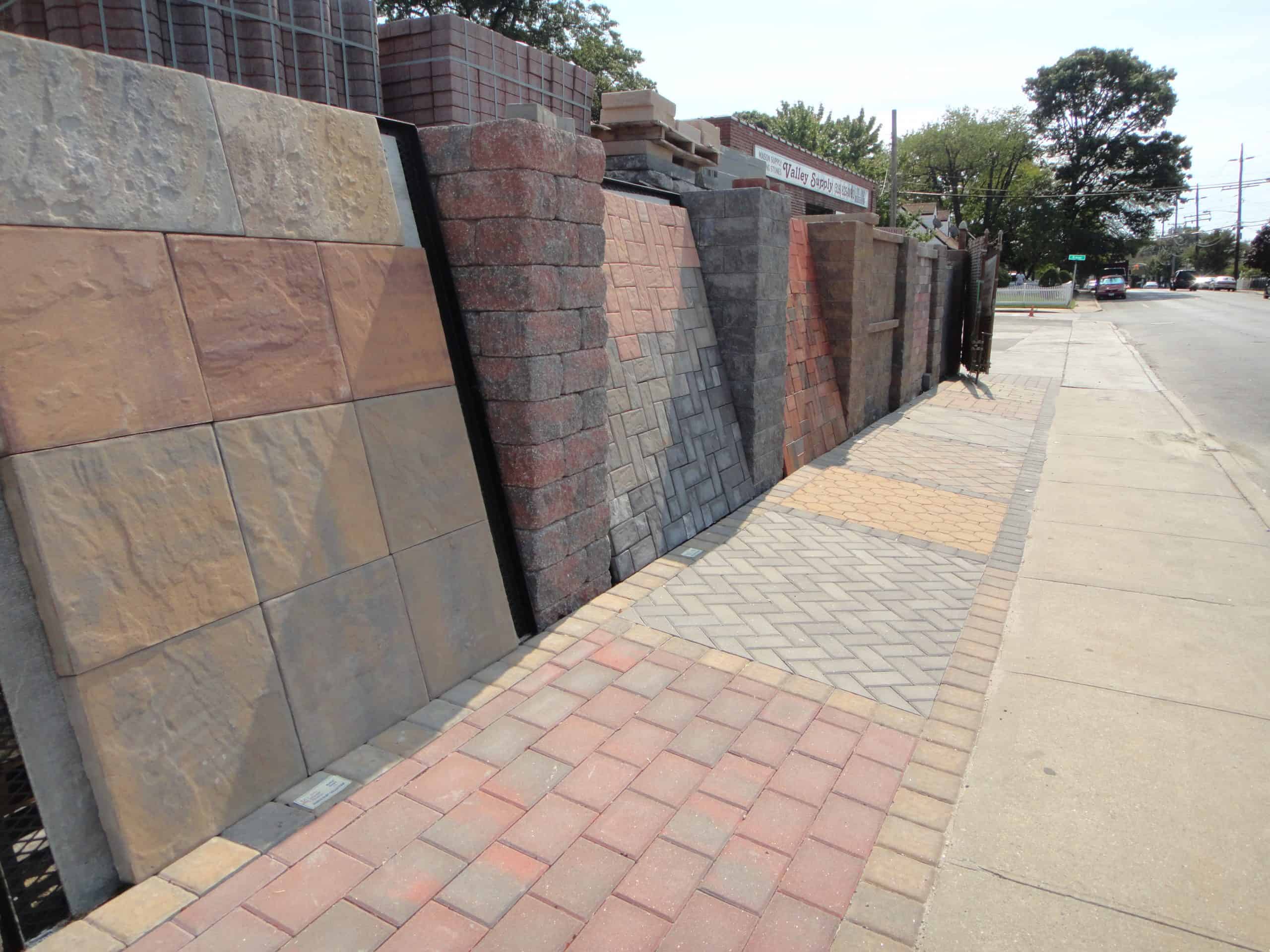
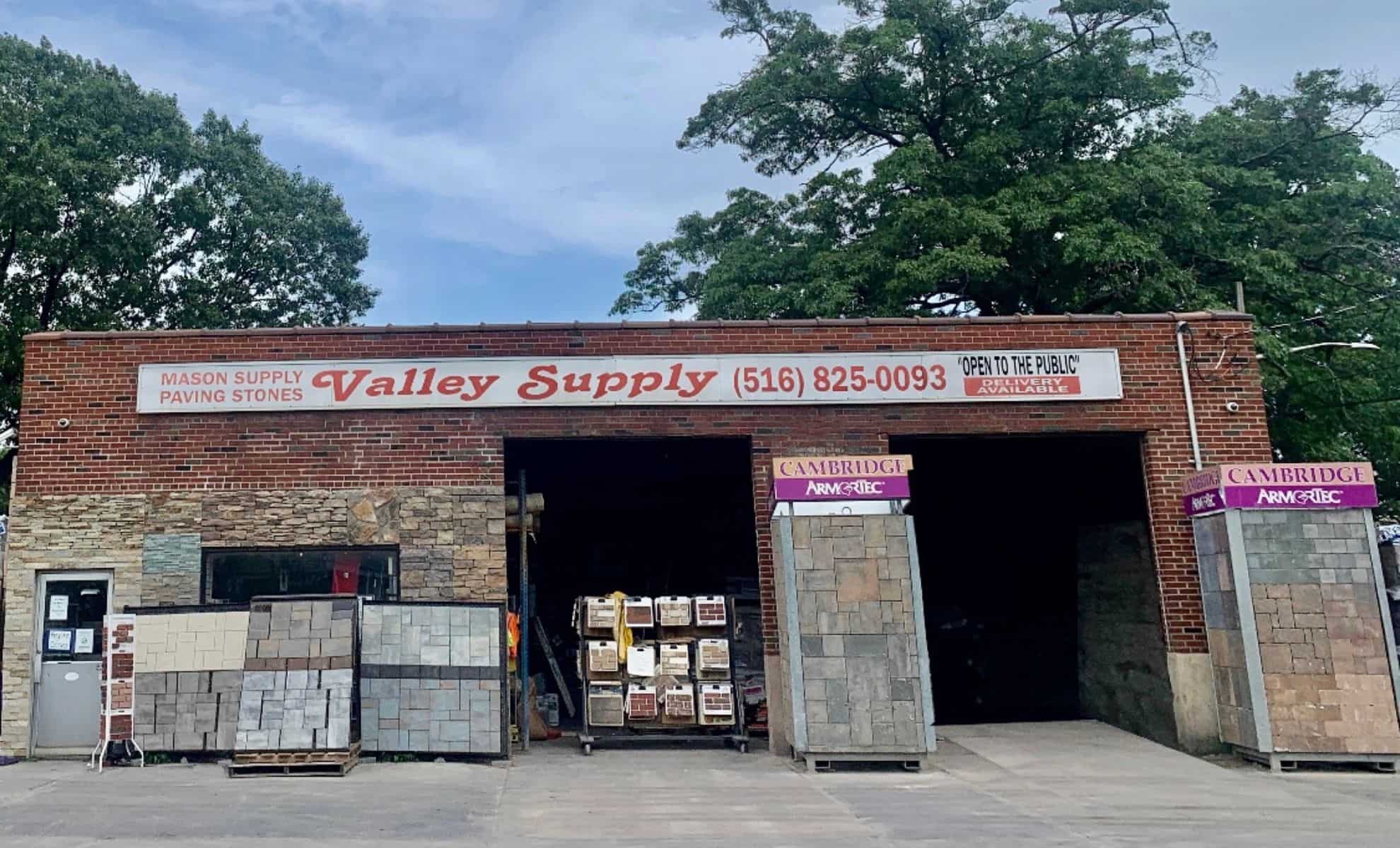
When you’re ready to see these textures in person and get expert guidance on which collection works best for your specific home, we maintain hands-on displays of Cambridge’s most popular styles and colors at Valley Supply Corp. Our team can help you match texture to architecture and ensure you’re making a choice you’ll be happy with long-term.