Summary:
You’ve got a project in front of you — a driveway, a patio slab, a foundation prep — and the question isn’t whether to do it right. It’s whether you’re starting with the right material. Ready mix concrete and gravel get used together more often than people realize, but they’re not interchangeable, and choosing wrong in Nassau County’s climate means watching your work fail before it should.
This isn’t a complicated decision once you understand what each material actually does. Here’s how to think through it — and what local soil and weather conditions mean for the choice you make.
Gravel Supplier Basics: What Crushed Stone Actually Does Beneath a Slab
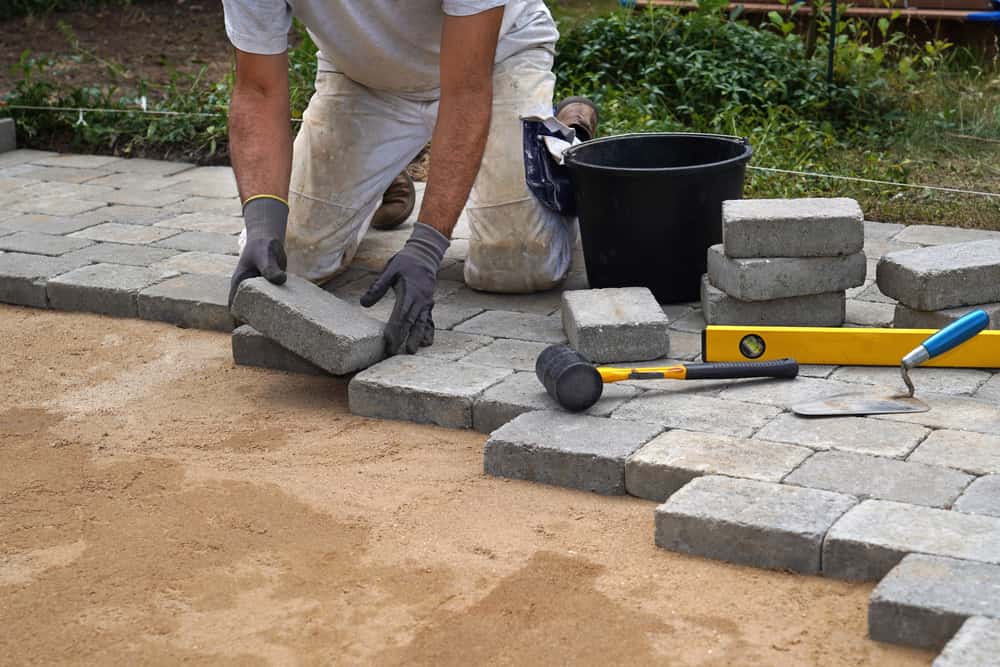
Gravel doesn’t just sit under concrete — it works. A properly compacted sub-base of angular crushed stone distributes the load from above, channels water away from beneath the slab, and gives the concrete a stable, non-shifting surface to cure against. Skip it, and you’re counting on Nassau County’s native soil to do a job it wasn’t built for.
The problem with a lot of the soil across Elmont, Valley Stream, and the broader Hempstead Plain is that it’s clay-heavy glacial till. Clay expands when it gets wet and contracts when it dries out. That constant movement is what cracks slabs that looked perfectly fine on pour day. A 4-to-6-inch base of compacted 3/4-inch crushed stone — or up to 8 inches in areas with particularly poor drainage — breaks that cycle by giving water somewhere to go before it gets under your concrete.
What Type of Gravel Should You Use for a Concrete Sub-Base?
Not all gravel is the same, and the distinction matters more than most people expect. Round river gravel looks similar to crushed stone, but it doesn’t behave the same way under load. Round particles roll against each other rather than locking together, which means they shift under pressure instead of holding firm. For sub-base work, you want angular crushed stone — specifically 3/4-inch clean crushed stone — because the jagged edges interlock when compacted, creating a base that stays put.
Stone dust is a different animal. It’s fine-grained and compacts very tightly, which makes it useful for leveling and setting paver bases, but it holds moisture rather than draining it. Using stone dust as a primary sub-base beneath a concrete slab in Nassau County’s wet spring conditions is a recipe for problems. The right material for each layer of the job matters.
For drainage applications — French drains, dry wells, areas with standing water issues — clean 1.5-inch crushed stone is typically the right call. It has enough void space to move water quickly without clogging. If you’re not sure which aggregate fits your specific situation, that’s exactly the kind of question our counter staff has been answering for contractors and homeowners across Nassau County for decades. Getting this detail right before you pour saves you from finding out the hard way after the first hard freeze.
One more thing worth knowing: the depth of your gravel base should account for what’s going beneath it. If you’re working in an area with a high water table — which is common in parts of Elmont and the communities closer to the South Shore — you may need to think about drainage fabric beneath the gravel layer as well. These are site-specific calls, not one-size-fits-all answers, and local experience makes a real difference here.

Ready Mix Concrete Supply: When Concrete Is the Right Material for the Job
Concrete is the structural layer. It carries load, resists wear, and — when specified correctly — holds up through decades of Nassau County winters without cracking. But “concrete” isn’t a single product. The mix design determines how it performs, and a mix that works fine in a warmer climate will fail here.
For exposed slabs in Nassau County — driveways, walkways, patios, pool surrounds — you need air-entrained concrete at a minimum of 3,500 PSI, and most experienced contractors in this area specify 4,000 to 4,500 PSI. Air entrainment is the key variable that often gets overlooked. Tiny air bubbles are deliberately introduced into the mix, giving water in the concrete somewhere to expand when it freezes rather than cracking the slab from within. Without it, you’re fighting freeze-thaw cycles with a material that isn’t built for them.
The water-cement ratio matters too. Adding water to a mix on-site to make it easier to work with is one of the most common ways concrete fails prematurely. It weakens the paste, increases shrinkage, and destroys the freeze-thaw resistance you paid for in the mix design. If workability is an issue, the right answer is a plasticizer admixture — not a garden hose. We can walk you through this before the truck leaves the plant.
For foundation work specifically, Nassau County’s 36-inch frost depth means footings have to go well below grade. That’s not a suggestion — it’s a code requirement, and it’s based on real local conditions. Concrete placed above the frost line will heave when the ground freezes beneath it, and no mix design fixes that. The depth requirement is the starting point; the material specification is what makes it last once it’s in the ground.
Ready Mix Concrete Delivery Timing: Why It Matters More Than People Think
Ready mix concrete has a working window of roughly 90 minutes from the time it’s batched at the plant. That’s not a soft guideline — it’s the chemistry. Once that clock runs out, the concrete is setting whether your crew is ready or not.
This is why supplier proximity isn’t just a convenience — it’s a quality issue. Every mile between the batch plant and your jobsite is time off that window. We’re located at 747 Meacham Ave in Elmont, which puts us close enough to matter when timing is tight for contractors working across western Nassau County and into southeastern Queens.
How to Coordinate a Ready Mix Concrete Pour Without Losing Your Window
The pour itself is only one piece of the timing puzzle. Before the truck arrives, your forms need to be set, your sub-base needs to be compacted, your crew needs to be on-site, and the weather forecast needs to cooperate. A delivery that shows up 45 minutes early when the forms aren’t ready is almost as bad as one that shows up late.
The best practice is to work backwards from when you want to start placing. Talk to us about batch time and estimated haul time, and build in a buffer — especially for pours happening during peak season when plants are running multiple loads. If you’re doing a larger pour that requires multiple trucks, sequencing matters. The first load can’t be sitting while you wait for the second to arrive.
Cold weather adds another layer to this. Below 40 degrees Fahrenheit, concrete curing slows significantly. Below freezing, you’re looking at potential strength loss if the mix isn’t protected. Winter pours in Nassau County require heated mix water, accelerating admixtures, and insulated curing blankets — none of which are optional in a climate that regularly dips well below freezing from December through February. If you’re planning a cold-weather pour, that conversation needs to happen with us before the order is placed, not the morning of.
Hot weather creates the opposite problem. Above 90 degrees, concrete can lose slump quickly and develop plastic shrinkage cracks before it’s even finished. Summer pours — which are common given Nassau County’s construction season running hard from May through September — benefit from early morning scheduling and sometimes chilled mix water. These are decisions that require a supplier who actually knows concrete, not just one who takes orders.

How Much Ready Mix Do You Actually Need? Getting the Quantity Right
Under-ordering mid-pour is one of the worst things that can happen on a concrete job. You end up with a cold joint — a visible seam where fresh concrete meets partially set concrete — and it’s a structural weak point that’s nearly impossible to fix after the fact. Over-ordering is expensive and wasteful. Getting the quantity right matters, and it’s not complicated once you know the formula.
Concrete is ordered by the cubic yard. One cubic yard covers 81 square feet at a 4-inch depth. For a standard residential driveway — say 20 feet wide by 40 feet long at 4 inches thick — you’re looking at roughly 10 cubic yards. Add 10 percent for waste, spillage, and the reality that no sub-base is perfectly level, and you’re ordering 11 cubic yards. For a 6-inch slab, recalculate at 54 square feet per cubic yard.
Gravel quantities work differently because they’re sold by the ton, and the coverage depends on the material’s density and your target depth. A ton of 3/4-inch crushed stone covers roughly 100 square feet at a 2-inch depth. For a 6-inch sub-base under that same 20-by-40 driveway, you’re looking at approximately 12 to 14 tons depending on compaction. These numbers aren’t hard to work out, but getting them wrong in either direction costs money. If you’re not certain, bring us your dimensions — our counter staff has been doing this math with contractors and homeowners across Nassau County for a long time, and it takes about two minutes to check your numbers before you commit to an order.
One thing that trips people up: gravel settles after compaction. A 6-inch finished base requires more than 6 inches of loose material going in. Factor in roughly 20 to 25 percent for compaction loss when you’re calculating how much to order. This is the kind of detail that experienced contractors know by feel, but it catches first-time buyers off guard every time.
Choosing the Right Foundation Material for Nassau County Projects
Most projects in Nassau County need both materials — gravel to build a stable, draining base and ready mix concrete to carry the load above it. The question is usually about specification: the right gravel grade for your soil conditions, the right PSI and admixture package for your climate exposure, and the right quantities so your pour goes cleanly from start to finish.
Nassau County’s clay-heavy soil and freeze-thaw cycles make these decisions more consequential than they are in other markets. A shortcut that holds up fine in a milder climate fails here within a few winters.
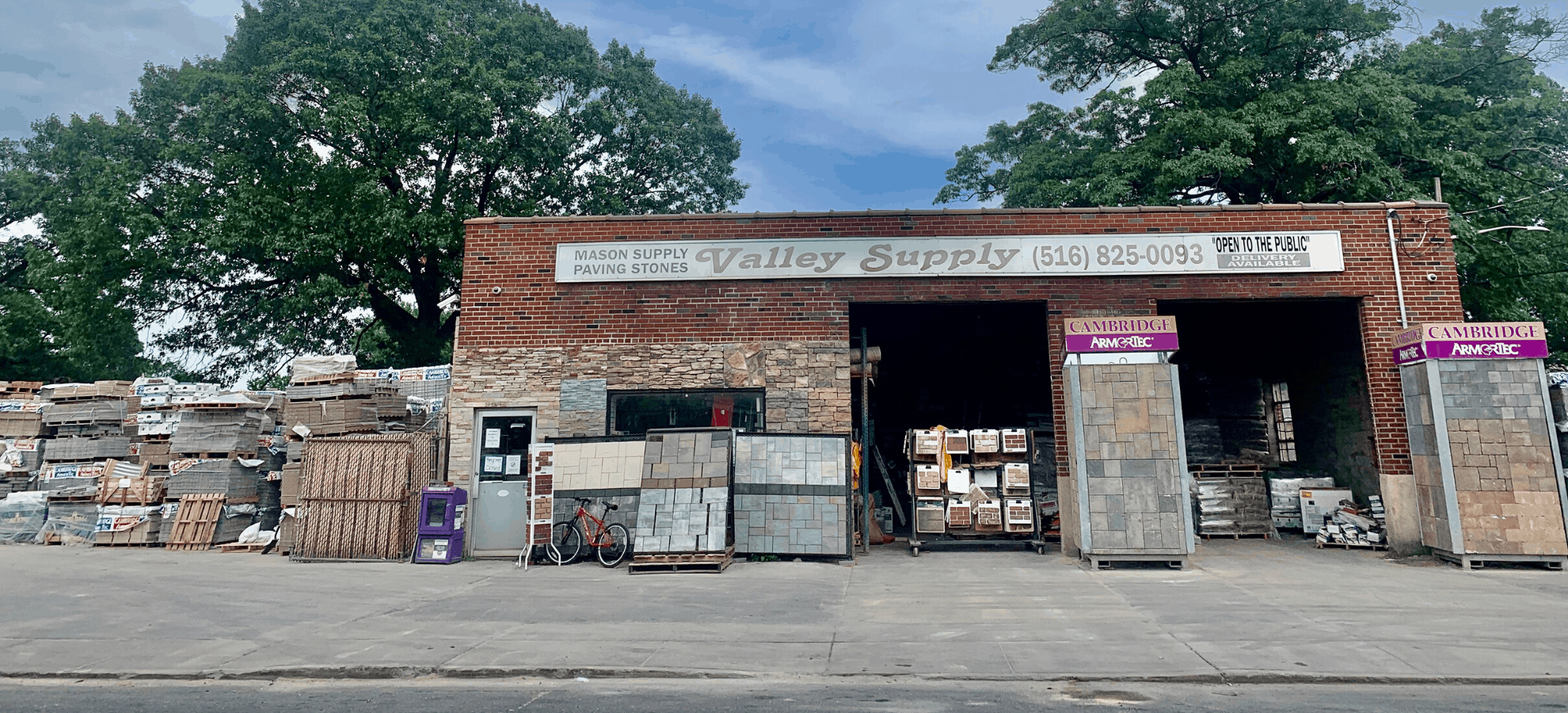
If you’re working through a material decision and want a straight answer from someone who knows this market, stop by Valley Supply Corp on Meacham Ave in Elmont or give us a call before your next order. We’re open to contractors and homeowners alike, and there’s no pressure — just useful information from people who’ve been doing this since 1956.