Summary:
If you’ve started getting quotes for a new driveway, you’ve probably noticed the numbers are all over the place. One contractor says $6,000. Another says $18,000. And a quick Google search gives you national ranges so wide they’re basically useless.
Nassau County isn’t a national average. It’s a specific place with specific soil conditions, a fragmented permit landscape, and winters that will expose every shortcut a contractor takes. This guide gives you real 2026 pricing for the area — asphalt, concrete, and pavers — along with the context you need to understand what you’re actually paying for and why it matters.
Cost to Pave a Driveway in Nassau County, NY
The honest answer is that driveway paving cost in Nassau County depends heavily on the material you choose, the size of your driveway, and what’s already under it. That said, here are the real numbers we’re seeing from contractors across the county in 2026.
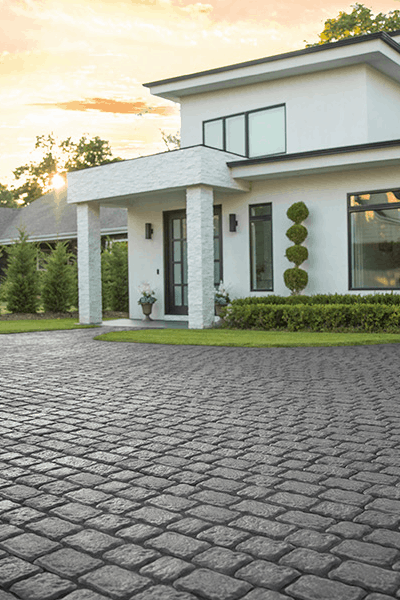
Asphalt runs $7–$15 per square foot installed on Long Island. A standard two-car driveway — roughly 600 square feet — typically lands between $4,200 and $9,000. Concrete comes in higher at $12–$25 per square foot, putting that same two-car driveway in the $7,200–$15,000 range. Paver driveways start around $20 per square foot and can reach $35 or more, meaning a typical installation runs $12,000–$21,000. Add Belgium block edging — which is extremely popular in Nassau County — and a larger driveway can push $25,000–$30,000 without blinking.
These ranges reflect real Long Island labor and material costs, not national averages padded with filler.
Asphalt Driveway Cost in Nassau County: What You're Actually Paying For
Asphalt is the most common driveway material in Nassau County, and for good reason — it’s relatively affordable, handles the climate reasonably well, and most local contractors know how to install it. A 20×20 asphalt driveway in the county typically runs $3,000–$4,500 for a straightforward installation. Larger driveways with added features like brick aprons or Belgium block borders can reach $20,000–$30,000.
What separates a $7/sq ft asphalt job from a $15/sq ft one usually isn’t the asphalt itself — it’s everything underneath it. Proper base preparation means excavating 6–8 inches, installing a compacted gravel sub-base, and grading for drainage. That work is expensive and time-consuming, which is exactly why some contractors skip or minimize it. When they do, you’ll know within a few winters.
Long Island’s freeze-thaw cycles are the real test. Nassau County gets multiple freeze-thaw events every winter — water gets into cracks, freezes, expands, and the damage compounds year after year. An asphalt driveway with a proper base and quality hot mix asphalt can last 15–30 years. One with a thin base and recycled millings might start showing its age within five. When you’re comparing quotes, the cheapest number is often a signal, not a deal.
Asphalt also requires ongoing maintenance. Seal coating every 3–5 years adds $200–$500 per application, and resurfacing every 10–20 years is a real cost to factor into your long-term budget. It’s not a one-time expense — it’s a material that needs attention to reach its full lifespan.
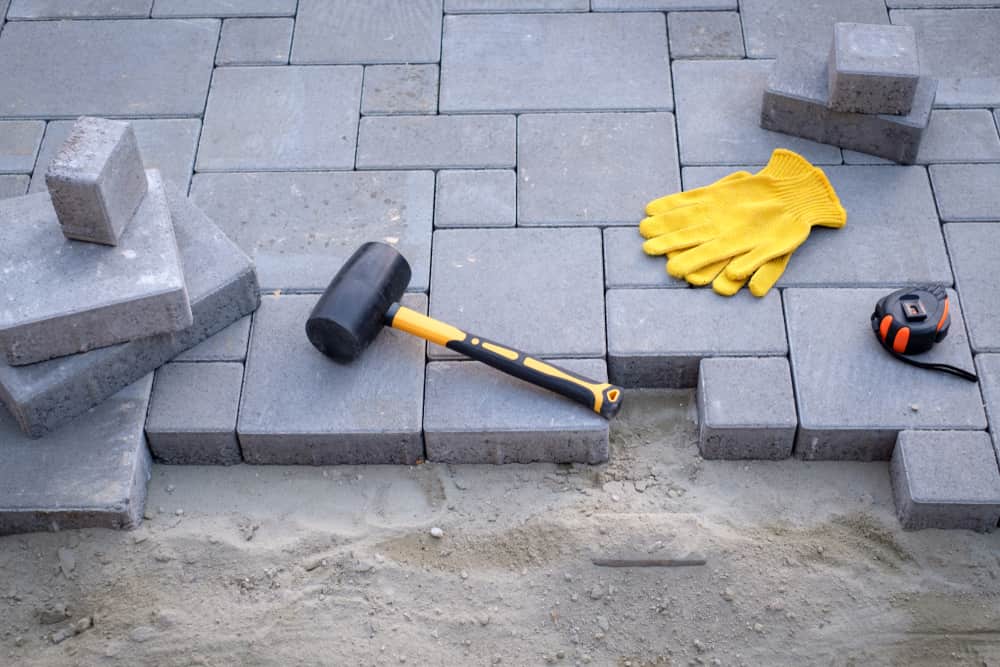
Concrete vs. Paver Driveway Costs on Long Island: Which One Holds Up?
Concrete and pavers both cost more upfront than asphalt, but they serve different homeowners with different priorities. Understanding the difference helps you make a decision you won’t regret three winters from now.
Concrete driveway cost on Long Island runs $12–$25 per square foot installed. It’s durable, low-maintenance in the short term, and can look sharp — especially stamped or colored concrete, which pushes toward the higher end of that range. The problem in Nassau County is road salt. Deicing salt is hard on concrete surfaces, causing spalling and surface deterioration over time. It’s not a dealbreaker, but it’s a real consideration for homeowners on heavily salted roads or in communities where the town plows aggressively. Concrete also cracks as a monolithic slab — when it goes, repairs are visible and sometimes costly at $20–$40 per square foot for section work.
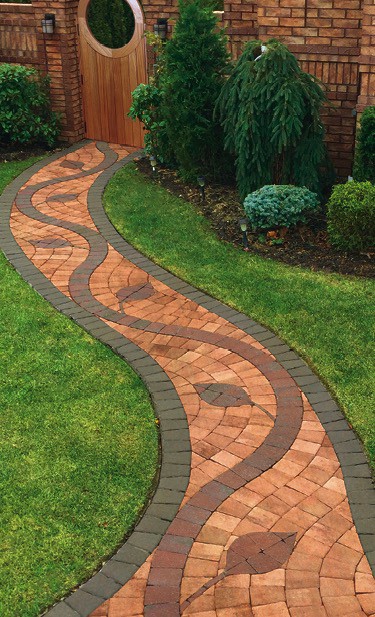
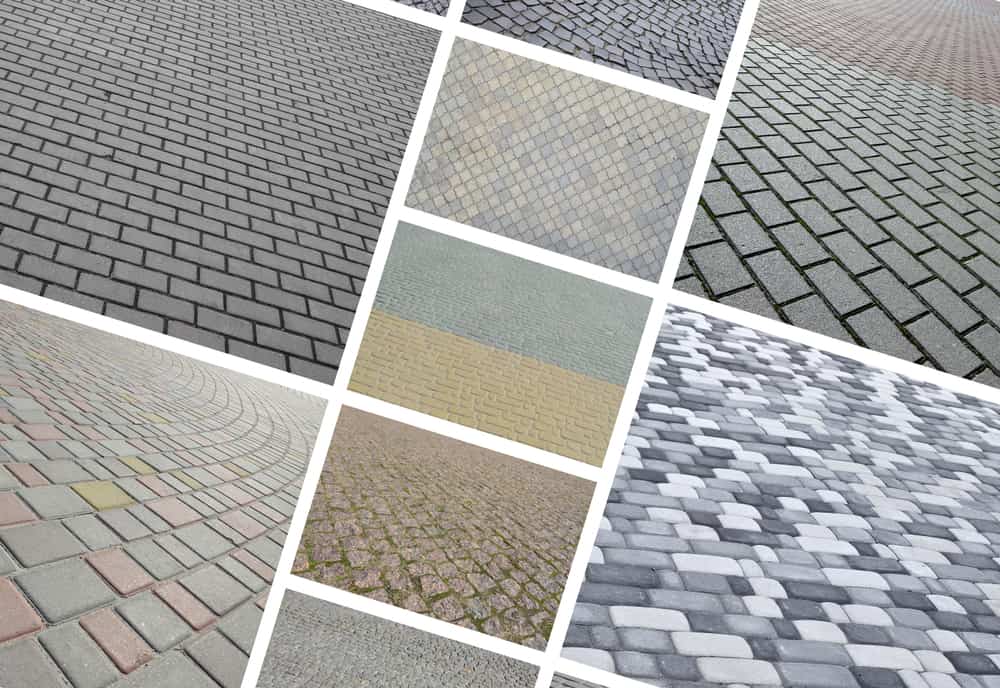
Paver driveways cost more upfront — $20–$35 per square foot installed, with brick pavers in Nassau and Suffolk counties typically running $18–$23 per square foot on their own. But the long-term math is different. Pavers flex with ground movement rather than cracking as a single slab. If one settles or gets damaged, you replace that paver — not the whole driveway. They last 25–30+ years with proper installation and periodic resealing ($200–$400 every 3–5 years).
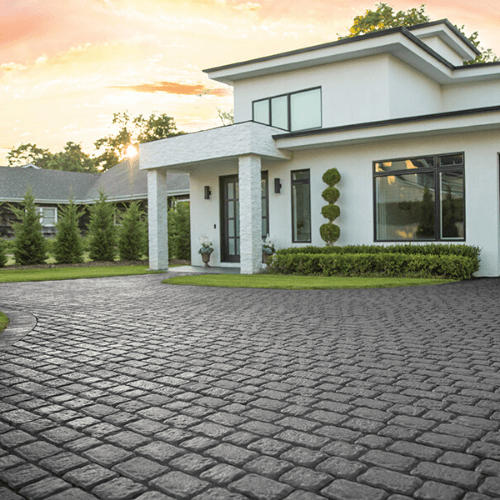
For Nassau County homeowners specifically, Cambridge ArmorTec® pavers are worth understanding. The ArmorTec® surface treatment is engineered for freeze-thaw performance and stain resistance — two things that matter enormously on Long Island. They’re not a generic paver you’d find at a big-box store. The difference shows up over time, not on day one.
Curb appeal is also a real factor here. Nassau County’s housing market is competitive, and a well-installed paver driveway — especially with Belgium block edging — adds visible value to a home. That’s not just aesthetics. In a county where property taxes are among the highest in the nation, protecting and enhancing your home’s value is a legitimate investment consideration.
Asphalt Driveway Cost Factors Nassau County Homeowners Often Miss
The per-square-foot price is only part of the story. Several factors specific to Nassau County can move your final number significantly — and most homeowners don’t know to ask about them until after they’ve signed a contract.
Soil preparation is the big one. Long Island’s glacial geology means sandy, loamy soil that drains well but provides less structural support than denser soils. That makes proper base preparation non-negotiable, and it adds real cost. Skipping it is how driveways fail early.
Permits are another variable. Nassau County’s municipal structure is unusually fragmented — three towns, two cities, and roughly 64 incorporated villages, each with its own permitting authority. Whether you need a permit to replace your driveway, and what it costs, depends entirely on where you live. Garden City, Great Neck, and Hewlett Harbor may have different requirements than an unincorporated area of Hempstead. Your contractor should handle this, but you should know it’s a line item.
How Long Island's Sandy Soil Affects What You Pay to Pave
Nassau County sits on a glacial moraine — essentially a long deposit of sand, gravel, and till left behind by retreating glaciers. It’s why Long Island has the shape it does, and it’s also why driveway installation here requires more attention to base preparation than in areas with denser, more cohesive soil.
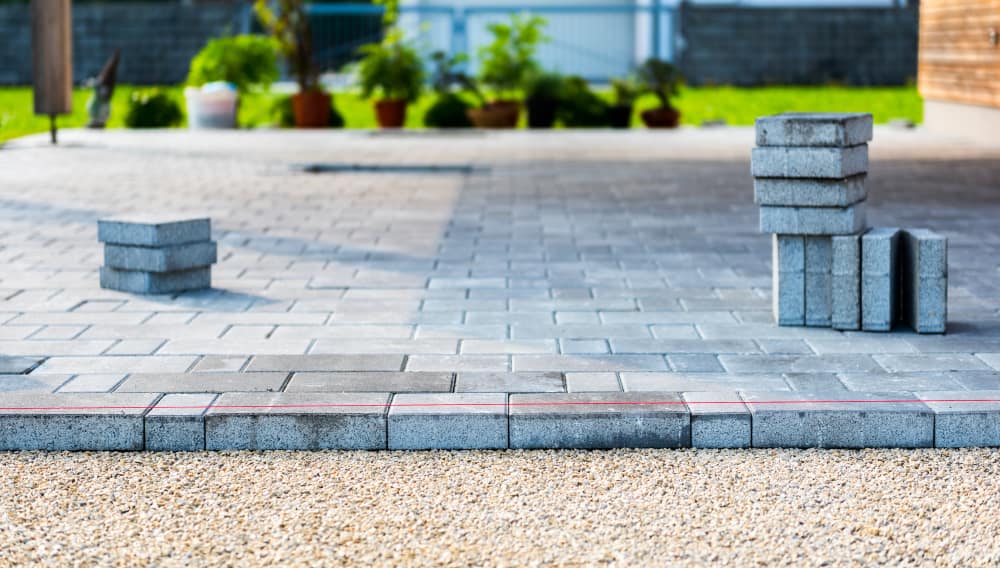
Sandy soil drains quickly, which sounds like a benefit. And in some ways it is — you’re less likely to have standing water in your sub-base. But sandy soil compresses and shifts more easily under load, which means a driveway without adequate base preparation will settle unevenly over time. On Long Island, the standard for a quality installation is 6–8 inches of compacted gravel sub-base before any surface material goes down. Some contractors go deeper depending on site conditions.
This base work is the most expensive and labor-intensive part of any driveway installation. It’s also the part that’s invisible once the job is done, which makes it the easiest place for a contractor to cut corners without you noticing — until two or three winters later when sections start to sink or crack. When you’re reviewing quotes, ask specifically what depth of base preparation is included. A contractor who can’t or won’t answer that question clearly is telling you something.
Drainage design matters here too. Nassau County’s terrain is relatively flat, and improper grading can direct water toward your foundation instead of away from it. A quality installation includes a calculated slope — typically 1–2% away from the house — to ensure water moves where it’s supposed to. In coastal communities along the South Shore, like Island Park or Oceanside, this is even more critical given flood risk and proximity to sensitive waterways.
The bottom line: base preparation and drainage are where the real cost difference between a $7/sq ft and a $12/sq ft quote often lives. It’s not a markup — it’s the work that makes the driveway last.
Best Time of Year to Pave a Driveway in Nassau County — and How It Affects Price
Timing matters more than most homeowners realize, both for quality and for cost. Nassau County’s paving season runs roughly April through November. Asphalt can’t be laid in temperatures below about 50°F, and even when contractors push into early December, the conditions require careful management.
Spring — April through June — is peak demand season. Homeowners come out of winter with cracked driveways and a backlog of projects they’ve been putting off. Contractors fill up fast. If you’re planning a spring installation, getting quotes in February or March puts you ahead of the rush and gives you more leverage on scheduling. Waiting until June often means a 4–8 week wait for a reputable crew.
Fall is the second peak, September through October. Many homeowners want projects finished before winter sets in, which creates another surge in demand. The work quality in fall is generally excellent — temperatures are ideal for asphalt installation and curing — but again, the best contractors book up.
The quiet window is late fall and early winter, November into December. Some contractors offer slightly lower pricing during this period to keep crews working. If your existing driveway is functional and the project isn’t urgent, this can be a smart time to lock in a contract and schedule an early spring start.
One thing worth knowing: delaying a deteriorating driveway through another winter almost always costs more in the long run. Freeze-thaw damage is cumulative. Cracks that are minor in October become significant structural problems by March, and what might have been a resurfacing job becomes a full replacement. If your driveway is showing real wear, the cost of waiting usually exceeds the cost of acting.
Making the Right Driveway Decision for Your Nassau County Home
The cost to pave a driveway in Nassau County in 2026 ranges from roughly $4,000 for a basic asphalt installation to $25,000 or more for a premium paver driveway with Belgium block edging. What you pay depends on material choice, driveway size, base preparation, drainage requirements, and your specific municipality’s permit process. None of those variables are hidden — they just require the right questions.
The material you choose matters most over the long run. Asphalt is accessible and familiar, but it needs maintenance and eventual resurfacing. Concrete is durable but vulnerable to salt damage. Quality pavers — installed correctly on a proper base — routinely outlast both, with the added advantage of individual repairability and real curb appeal.
If you’re still figuring out which direction makes sense for your home, we’ve been helping Nassau County homeowners and contractors work through exactly these decisions since 1956. Stop by our facility at 747 Meacham Avenue in Elmont — we carry the complete Cambridge Pavingstones line and have hands-on displays you can actually see and compare in person. Give us a call at 516-825-0093, or come in any weekday from 7AM to 5PM, or Saturday from 7AM to 2PM. We’re open to the public, and we’re happy to talk through what makes sense for your project.
—
**Frequently Asked Questions**
**What’s the cheapest driveway option in Nassau County?** Asphalt is the lowest upfront cost — a standard two-car driveway typically runs $4,200–$9,000 installed. That said, asphalt requires seal coating every few years and eventual resurfacing, so the long-term cost is higher than the initial quote suggests. For Nassau County homeowners planning to stay in their home for 20+ years, pavers often deliver better total value despite the higher starting price.
**How much does sandy soil preparation add to driveway costs?** Long Island’s sandy, glacial soil requires a compacted gravel sub-base of 6–8 inches before any surface material goes down. This base work is a significant portion of the total installation cost — and it’s the part that determines whether your driveway lasts 10 years or 30. In Nassau County, skipping or minimizing this step is the most common reason driveways fail prematurely. It’s not optional; it’s the job.
**Which driveway material lasts longest on Long Island?** With proper installation, concrete and quality pavers both outlast asphalt. Concrete can last 30–40+ years, though it’s vulnerable to salt damage from Nassau County’s winter road treatments. Cambridge ArmorTec® pavers are engineered specifically for freeze-thaw conditions and can last 25–30+ years — with the added advantage that individual pavers can be replaced without tearing out the entire driveway.
**When is the best time to pave a driveway in Nassau County?** Spring and fall are peak season in Nassau County, and the best contractors book up quickly. If your project isn’t urgent, locking in a contract in late fall for an early spring start often gets you better scheduling and occasionally better pricing. If your driveway is already showing serious wear, don’t wait — freeze-thaw damage compounds over winter and can turn a manageable repair into a full replacement by spring.
**Do I need a permit to pave a driveway in Nassau County?** It depends on where you live. Nassau County is divided into dozens of incorporated villages and municipalities — Garden City, Great Neck, Oyster Bay, and Hempstead all have different rules. Some require permits for driveway replacement; others don’t. Your contractor should handle the permit process, but it’s worth confirming upfront whether your municipality requires one and what the associated cost and timeline look like.