Summary:
You’ve probably already seen the national cost estimates online — somewhere between $3,000 and $30,000, which isn’t exactly useful when you’re trying to budget a real project on Long Island. Nassau County has its own labor rates, its own permit process, and winters that destroy cheap driveways faster than almost anywhere else in the country. What works in a mild climate doesn’t always work here. This guide gives you honest, local pricing context for 2026 — covering asphalt, concrete pavers, and everything in between — so you can walk into any contractor conversation knowing what you’re looking at.
Cost to Repave a Driveway in Nassau County
Repaving and replacing are two different things, and the distinction matters more in Nassau County than most places. A repave — laying a fresh asphalt overlay on top of your existing surface — typically runs $3 to $7 per square foot. For a standard two-car driveway around 400 to 500 square feet, that’s roughly $1,500 to $3,500.
The problem is that an overlay doesn’t fix what’s underneath. If your base has been compromised by water infiltration or years of freeze-thaw cycles — which is extremely common on Long Island — you’re essentially putting new pavement on a failing foundation. Most overlays in this climate last three to five years before the same cracks reappear. Full driveway replacement, including proper base excavation and preparation, runs $10 to $22 per square foot depending on material, and it’s the only option that actually solves the problem long-term.
Asphalt Cost Per Square Foot in Nassau County, NY
Asphalt remains the most common driveway material in Nassau County, and it’s easy to see why — the upfront cost is lower than most alternatives. In 2026, you’re looking at roughly $10 to $18 per square foot installed for a full asphalt driveway replacement in this market. That’s above the national average of $7 to $15, and the gap comes down to one thing: labor. Nassau County contractor rates run 20 to 40 percent higher than the national median, and that premium shows up in every line of your estimate.
For a 450-square-foot two-car driveway, a full asphalt replacement typically lands between $4,500 and $8,100 all-in. That range moves depending on how much excavation is needed, whether the base requires significant grading work, and how accessible your driveway is for equipment. A tight, narrow driveway with a steep grade costs more to work on than a flat, open one.
What most homeowners don’t factor in is the maintenance cycle. Asphalt in Nassau County needs to be sealed every three to five years, and Long Island’s freeze-thaw pattern — roughly 30 to 50 cycles per year — accelerates surface cracking. Add road salt and ice melt to the mix, and asphalt surfaces tend to degrade faster here than in milder climates. The lower upfront number is real, but the ten-year cost of ownership is less favorable than it looks on paper.
Labor costs in the New York metro area have been increasing three to five percent annually, and material costs are expected to rise another two to four percent in early 2026 due to fuel and transportation pricing. If you’re planning a project this year, early spring or late fall tend to offer better contractor availability and, in some cases, more room to negotiate on price than the peak summer season.
What Drives Driveway Paving Costs Up (or Down) on Long Island
The price spread for driveway paving in Nassau County is genuinely wide, and it’s not random. Several specific factors consistently push costs higher or lower, and understanding them helps you read a quote intelligently rather than just comparing bottom-line numbers.
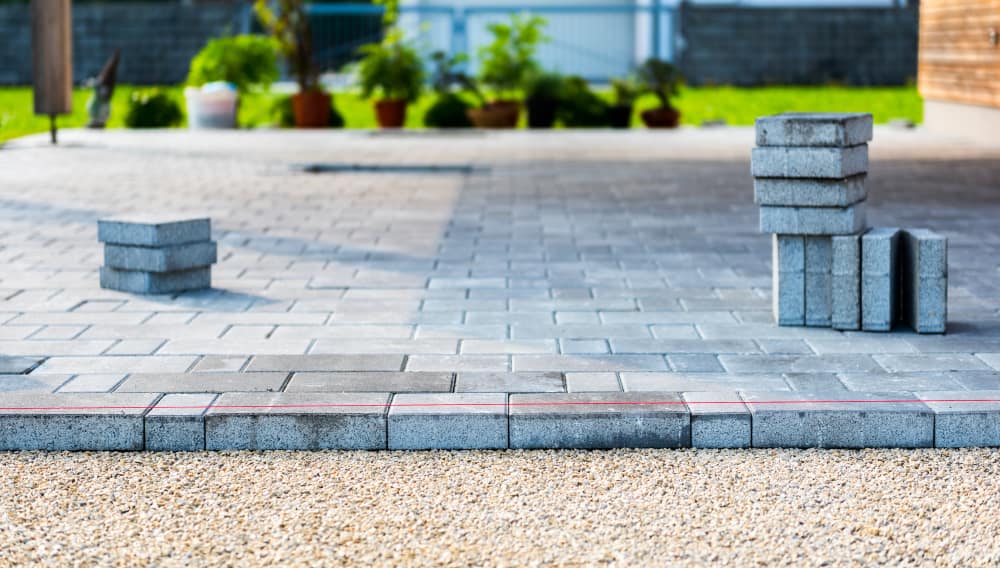
Base preparation is the biggest variable most homeowners don’t see coming. Proper paver installation requires excavating eight to twelve inches of existing material, then laying six to eight inches of compacted gravel in lifts before a single paver touches the ground. That’s not optional — it’s what separates a driveway that lasts 30 years from one that starts shifting after the third winter. Contractors who quote significantly lower than their competitors are often cutting depth on the base. You won’t see it on day one. You’ll see it in year three.
Driveway size and configuration matter too. Labor is typically quoted per square foot, so a larger driveway costs more in total but often less per square foot due to efficiency. Curved layouts, tight access points, steps, and retaining walls all add complexity — and complexity adds cost. A straight rectangular driveway is always cheaper to install than one with a turnaround, a curved border, or a custom pattern.
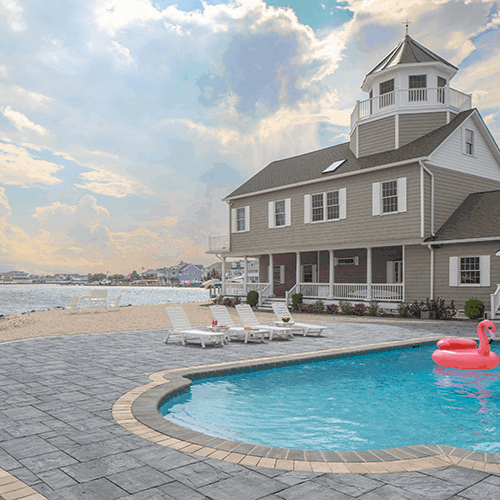
Material choice is the other major lever. The gap between basic asphalt and a premium Cambridge paver installation is real — but so is the difference in what you get. Cambridge Pavingstones are engineered for driveway loads, built with ArmorTec® technology that resists salt damage and color fade, and designed to be individually lifted and re-leveled if a section ever shifts. That last point is underrated in Nassau County specifically: when tree roots or soil movement displace a section of pavers, you replace those units. With asphalt or poured concrete, you’re cutting out and patching a section — and the patch is always visible.
Concrete Pavers for Driveways: What Nassau County Homeowners Pay in 2026
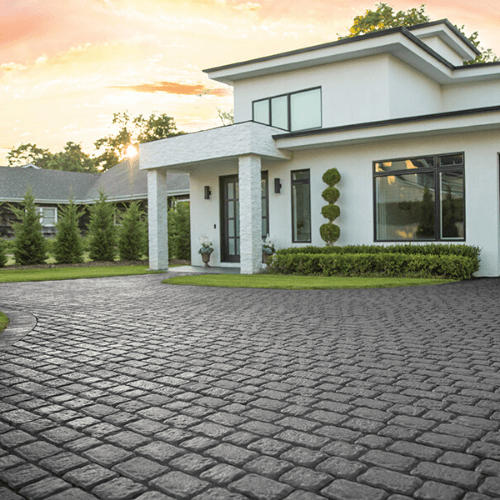
Concrete paver driveways cost more upfront than asphalt — there’s no way around that. In Nassau County, a fully installed Cambridge paver driveway typically runs $18 to $35 per square foot, depending on the pattern, the complexity of the layout, and current labor rates. On a 450-square-foot driveway, that’s a total project cost somewhere between $8,100 and $15,750.
That number gives some people pause. But the math changes when you account for lifespan. A quality paver driveway installed on a proper base lasts 30 to 50 years with minimal maintenance. Asphalt, maintained diligently in Nassau County’s climate, realistically lasts 15 to 20 years before full replacement is necessary. On a per-year basis, the cost difference narrows considerably — and that’s before you factor in the curb appeal difference on a home worth $550,000 to $700,000 or more.
Why Nassau County's Climate Makes the Case for Pavers
Nassau County isn’t a mild-weather market. The county experiences 30 to 50 freeze-thaw cycles per year, and that repetitive expansion and contraction is the primary reason asphalt driveways in this area crack, heave, and deteriorate faster than the national average. Water gets into surface cracks, freezes, expands, and widens the crack. Repeat that 40 times a winter and you understand why so many Nassau County homeowners are on their third asphalt driveway.
Concrete pavers handle freeze-thaw stress differently. Because each unit is individual, the surface can accommodate slight ground movement without cracking. If frost heave pushes a section out of alignment, a qualified installer can lift those specific units, re-level the base, and reset them. The repair is invisible when done correctly. That’s not possible with asphalt or poured concrete — both of which require cut-and-patch repairs that are always noticeable.
Salt resistance is the other factor that matters specifically here. Long Island homeowners use road salt and calcium chloride heavily through the winter, and those chemicals are hard on asphalt binders and concrete surfaces over time. Cambridge’s ArmorTec® technology provides a surface that resists salt penetration and retains color far longer than standard concrete or asphalt. For communities in Levittown, Massapequa, or East Meadow — where driveways are heavily salted and see significant temperature swings — that durability advantage is real and measurable over a 10-year period.
Cambridge is also a genuinely local brand. The manufacturer is based in Hauppauge, NY, which means Nassau County homeowners are choosing a Long Island product with a track record in this exact climate. That’s not the case with generic big-box pavers, which are manufactured to broad national specs and don’t carry the same engineering for northeastern freeze-thaw conditions.
Nassau County Permit Requirements for Driveway Paving
A lot of homeowners assume a driveway is just their property and doesn’t require a permit. In Nassau County, that assumption can create real problems at resale or if something goes wrong during the project. Most municipalities in the county do require a building permit for driveway installation or full replacement, and the process varies depending on where you live.
Nassau County is divided into three towns — Hempstead, North Hempstead, and Oyster Bay — each with its own building department and permit process. The Town of Hempstead, which is the largest town in the United States by population and covers communities from Elmont and Valley Stream to Rockville Centre and Levittown, has its own permit requirements that apply to most of the county’s western half. If you live in an incorporated village within one of these towns — Garden City, Floral Park, Malverne, and others — there may be an additional layer of village-level review on top of the town permit.
Permit costs for residential driveway work in Nassau County typically run $150 to $500 depending on the municipality and the scope of the project. That’s a small line item relative to the overall project cost, and it’s worth getting right. Unpermitted driveway work can complicate a home sale, void certain homeowner’s insurance claims, and occasionally trigger stop-work orders if a neighbor or inspector notices work underway without a posted permit.
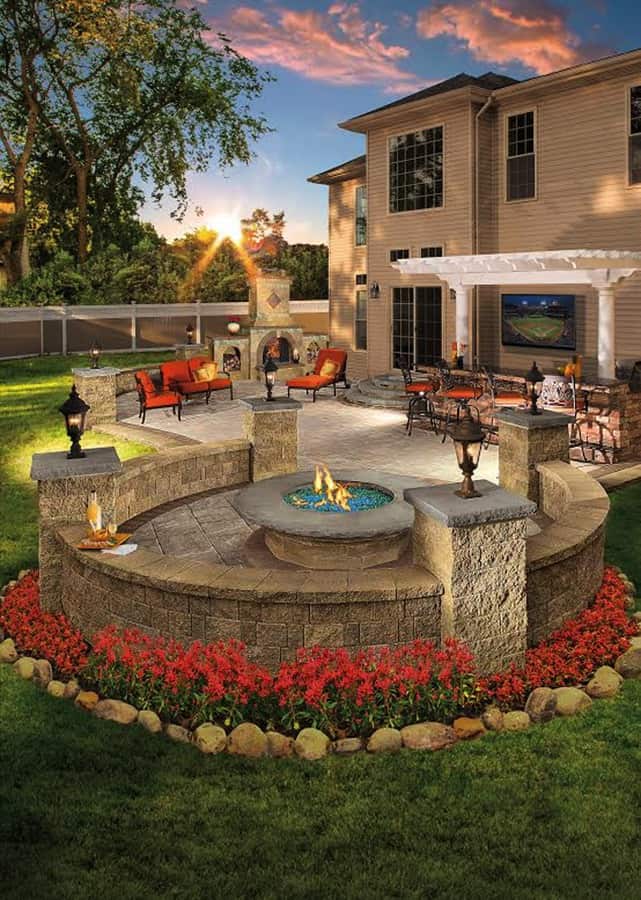
If your community has a homeowners association — common in parts of Garden City, Roslyn, and Manhasset — there may also be design review requirements governing driveway materials, colors, and layouts. Cambridge Pavers’ broad range of styles and colors makes HOA compliance easier than most materials, since you can match or complement existing community aesthetics. When you’re sourcing materials, it helps to work with someone who knows the product line well enough to guide you toward options that will pass review without back-and-forth.
Where to Start Your Nassau County Driveway Project in 2026
The most important thing you can take from this guide is that price alone doesn’t tell the full story. A lower quote that skips base preparation will cost you more within five years. An asphalt repave that ignores a failing foundation is money spent twice. And a premium paver installation on a properly prepared base — especially in a climate like Nassau County’s — is often the most cost-effective choice over a 20- or 30-year horizon.
If you’re in the early stages of planning, the best next step is seeing your material options in person before committing to anything. Color, texture, and pattern are decisions that photos don’t do justice to, and the difference between Cambridge Pavers and a generic concrete unit is immediately obvious when you’re standing in front of both.
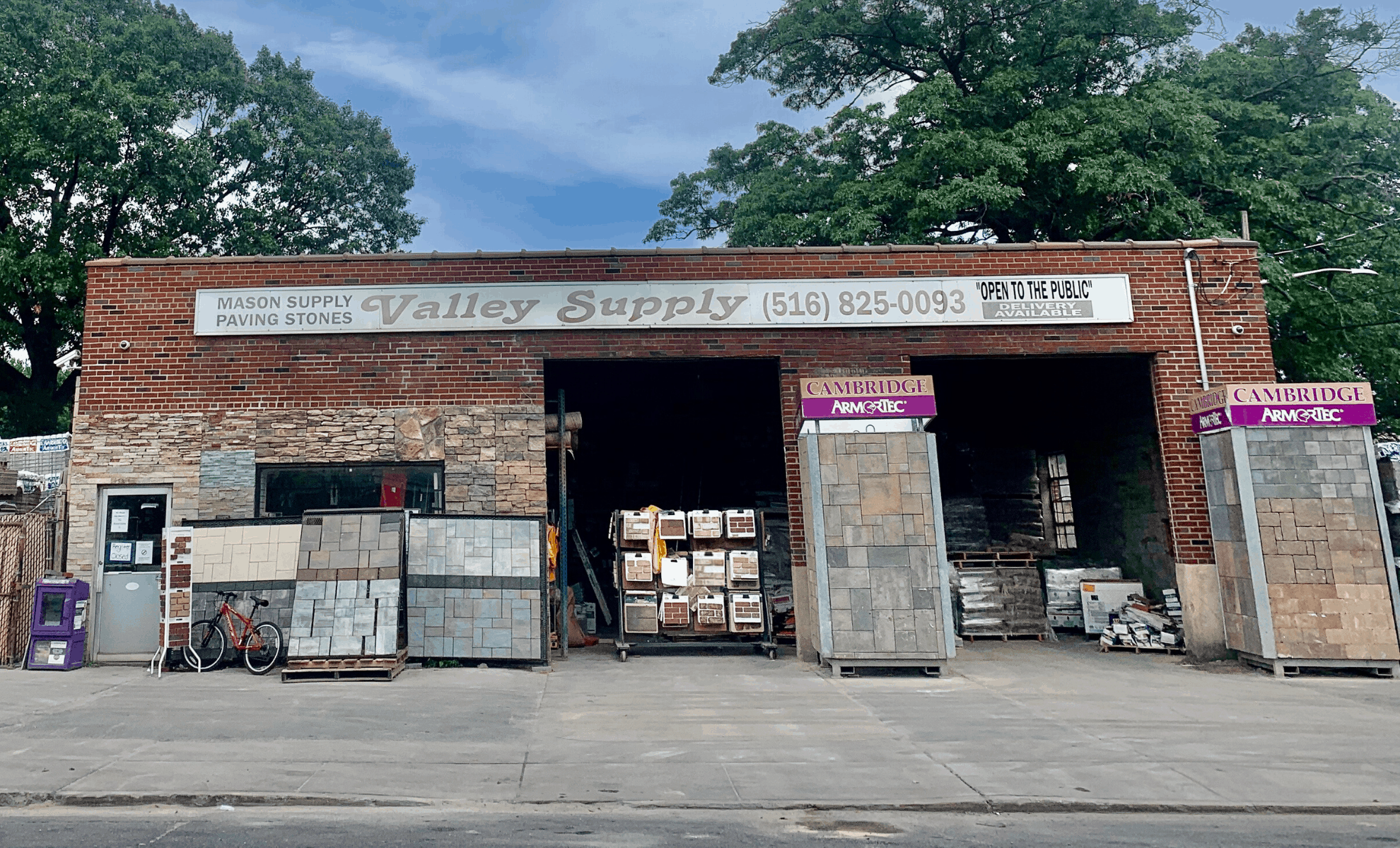
We’ve been supplying hardscape materials to Nassau County homeowners and contractors since 1956. We’re a Cambridge Premier Dealer with 19 years of direct experience with the full product line, a 20,000-square-foot facility stocked and ready, and a short list of vetted contractors we trust to install the work correctly. Stop by our Elmont location at 747 Meacham Avenue, give us a call at 516-825-0093, or come in any Saturday between 7AM and 2PM — we’re happy to help you figure out what makes sense for your driveway, your budget, and your timeline.